What is Legionella Risk Assessment?
Legionella bacteria are a serious health risk that can cause Legionnaires’ disease, a potentially fatal type of pneumonia. It thrives in water systems, particularly when the water temperature is just right, between 20°C and 45°C. Without proper water hygiene management and monitoring, these bacteria can spread and lead to outbreaks that puts public health in jeopardy.
UK businesses, healthcare facilities, and landlords are legally required to ensure their water systems are safe and free from Legionella bacteria. This is where Legionella risk assessments come in. But what exactly does a Legionella risk assessment involve, and why is it crucial for maintaining a safe environment? Let’s take a closer look.
Why Legionella Risk Assessments Are Crucial for Businesses
A Legionella risk assessment is a vital step in ensuring your building remains compliant with Health and Safety Executive (HSE) guidelines. These assessments help to identify potential risks, allowing you to take preventive measures before an outbreak occurs.
Failure to conduct a Legionella risk assessment can result in serious consequences, including hefty fines, legal actions, and, most importantly, a risk to people’s health. With the right assessment, you’re not only protecting your employees, tenants, and customers, but you’re also safeguarding your business’s reputation and avoiding unnecessary costs down the line.
What’s Involved in a Legionella Risk Assessment?
So, what does a Legionella risk assessment actually entail? Here's a breakdown of the key steps:
Initial Site Survey and Evaluation
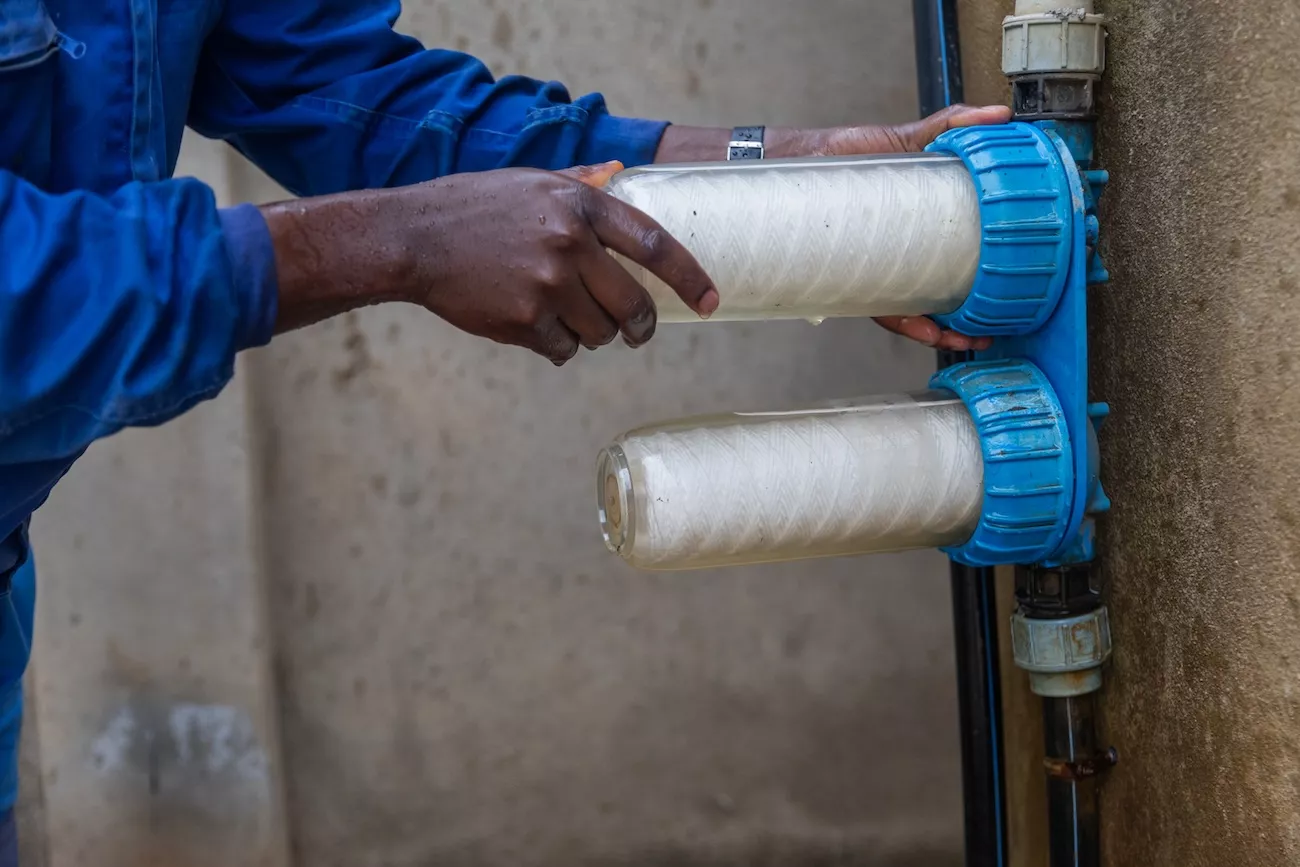
The first step in any risk assessment is a thorough evaluation of your building's water systems. A professional risk assessor will inspect everything from water tanks and cooling towers to taps and showers. They’ll be looking for risk factors such as stagnant water, areas where the temperature is within the range conducive to Legionella growth, and any parts of the system that might harbour bacteria.
Legionella Bacteria Risk Assessment
The next step is the actual assessment of the water for Legionella bacteria. Water samples are collected and sent for testing to identify any potential contamination. This process helps determine whether your water systems are at risk of harbouring harmful bacteria, which can spread and lead to Legionnaires’ disease.
Risk Control Measures and Recommendations
Once the risk is assessed, the next step is to implement control measures to reduce the chances of Legionella growth. This may involve adjusting the temperature of water systems, improving maintenance procedures, or installing additional monitoring devices. A detailed report will be produced, outlining the findings and any actions needed to mitigate the risks.
The Process of a Legionella Risk Assessment in the UK
Legionella risk assessments typically follow a structured process, ensuring no step is overlooked. Here’s how it works:
Step 1 - Pre-assessment Consultation
Before the on-site inspection, a consultation takes place to understand your building's specific needs. During this phase, the assessor will gather preliminary information, such as the type of water systems you have and the building’s layout. This helps the assessor plan their visit and ensure all key areas are covered.
Step 2 - Site Visit and Data Collection
The risk assessor will then visit the property to conduct a thorough inspection. They’ll assess all potential risk points, take water samples for Legionella testing, and evaluate the condition of your water systems. It’s crucial to ensure that all areas where Legionella could thrive are properly evaluated.
Step 3 - Risk Evaluation and Report
Once the data is collected, the assessor will analyse the findings and produce a detailed risk assessment report. This report will outline the risk level of each identified area and provide clear recommendations on how to reduce the risk of Legionella contamination.
Step 4 - Ongoing Monitoring and Compliance
Legionella risk assessments aren’t just a one-time job. Regular monitoring and testing are essential to ensure your water systems remain compliant and safe. Any changes to the building or water systems should trigger a reassessment to ensure the risks are continually managed.
Who Needs a Legionella Risk Assessment?
Legionella risk assessments are essential for a wide range of industries. Here are some of the key sectors that require regular Legionella assessments:
Commercial and Industrial Businesses
Businesses that operate in commercial or industrial spaces, particularly those with complex water systems (e.g., office buildings, factories, and warehouses), need regular Legionella risk assessments to protect their employees and customers.
Healthcare and Care Facilities
Hospitals, nursing homes, and care homes are high-risk areas due to the vulnerable population they serve. A Legionella outbreak in these settings can have devastating consequences, making regular risk assessments a legal necessity.
Hospitality and Leisure
Hotels, gyms, and leisure centres often have swimming pools, hot tubs, and showers, areas where Legionella bacteria thrive. Ensuring these facilities undergo regular Legionella testing and risk assessments is crucial for guest safety.
Property Owners and Landlords
As a property owner or landlord, it’s your legal responsibility to ensure that your tenants are protected from Legionella bacteria. Whether you're managing residential buildings or commercial properties, a Legionella risk assessment is necessary to stay compliant and avoid potential legal issues.
Key Benefits of Hiring a Legionella Risk Assessment Service
Hiring a professional Legionella risk assessment service provides several important benefits:
Expertise and Experience
Professionals bring specialised knowledge and experience, ensuring that every aspect of your water systems is properly evaluated. They understand the complexities of Legionella risk and can pinpoint potential hazards that may not be immediately obvious.
Legal Compliance and Peace of Mind
Conducting a Legionella risk assessment is not just good practice; it’s a legal requirement under HSE guidelines. A certified risk assessment service ensures that you stay compliant, giving you peace of mind that you are meeting all necessary regulations and avoiding potential fines or legal issues.
Long-term Health and Safety
With a risk assessment in place, you’re not only protecting your property but also the health and safety of everyone who interacts with your water systems. Regular monitoring and maintenance help minimise the risk of Legionella outbreaks, ensuring a safe environment for all.
How to Choose the Right Legionella Risk Assessment Company
When selecting a Legionella risk assessment company, here are a few key factors to consider:
Certification and Qualifications
Make sure the company is fully certified and compliant with HSE guidelines. Their assessors should have the appropriate qualifications and training to carry out the assessment correctly.
Industry Reputation and Experience
Look for a company with a proven track record in Legionella risk assessments. Reading client reviews, case studies, and testimonials can help you gauge the company’s reliability and expertise.
Range of Services Offered
Some companies only offer Legionella risk assessments, while others provide additional services like water testing, ongoing monitoring, and consultancy. It’s worth choosing a company that can offer a full range of services to meet your needs.
Legionella Testing and Water Risk Assessments: Why They Matter
Legionella Testing
Water testing is an essential part of a Legionella risk assessment. By regularly testing the water, you can identify potential contamination early, preventing an outbreak before it happens. Testing should be conducted regularly, particularly in areas of high risk.
Water Risk Assessments
While Legionella risk assessments focus specifically on the bacteria, a water risk assessment looks more broadly at all risks associated with the water systems. Both are essential for a comprehensive safety plan, but Legionella risk assessments focus on the specific danger of bacterial contamination.
Ensure Legionella Safety in Your Building
A Legionella risk assessment is an essential step in protecting the health of those who interact with your building's water systems. Not only does it ensure compliance with legal requirements, but it also prevents potential outbreaks, protects your reputation, and saves you from costly legal consequences.
If you’re looking to schedule a Legionella risk assessment, don’t wait until it’s too late. Contact L8 Protection today to ensure your building remains safe, compliant, and free from Legionella risks. Our team of experienced assessors is ready to help you create a safer environment for everyone.
Book Your Legionella Risk Assessment Today with L8 Protection
Ensure the safety of your premises with a professional Legionella risk assessment from L8 Protection. Our experienced team provides thorough assessments, detailed reports, and clear recommendations to keep your water systems compliant and safe.
Get in touch with us now to schedule your risk assessment and take the first step towards a safer, healthier environment.
.webp)
Get in touch.