Protect Your Business: The Hidden Dangers of Poor Water Hygiene
When you think about your business operations, water hygiene might not be the first thing that comes to mind. However, poor water hygiene management can have a significant impact on your company. Not only can it lead to serious health risks, but it can also result in legal issues, financial losses, and damaged customer trust. Let’s explore how improper water hygiene management can affect your business and why it's essential to stay proactive in maintaining safe and clean water systems.
What Is Water Hygiene Management and Why Does It Matter?
Water hygiene management is the practice of maintaining water systems to ensure they are clean, safe, and compliant with health and safety regulations. This includes monitoring water quality, controlling bacteria like Legionella, and testing for potential hazards in the system.
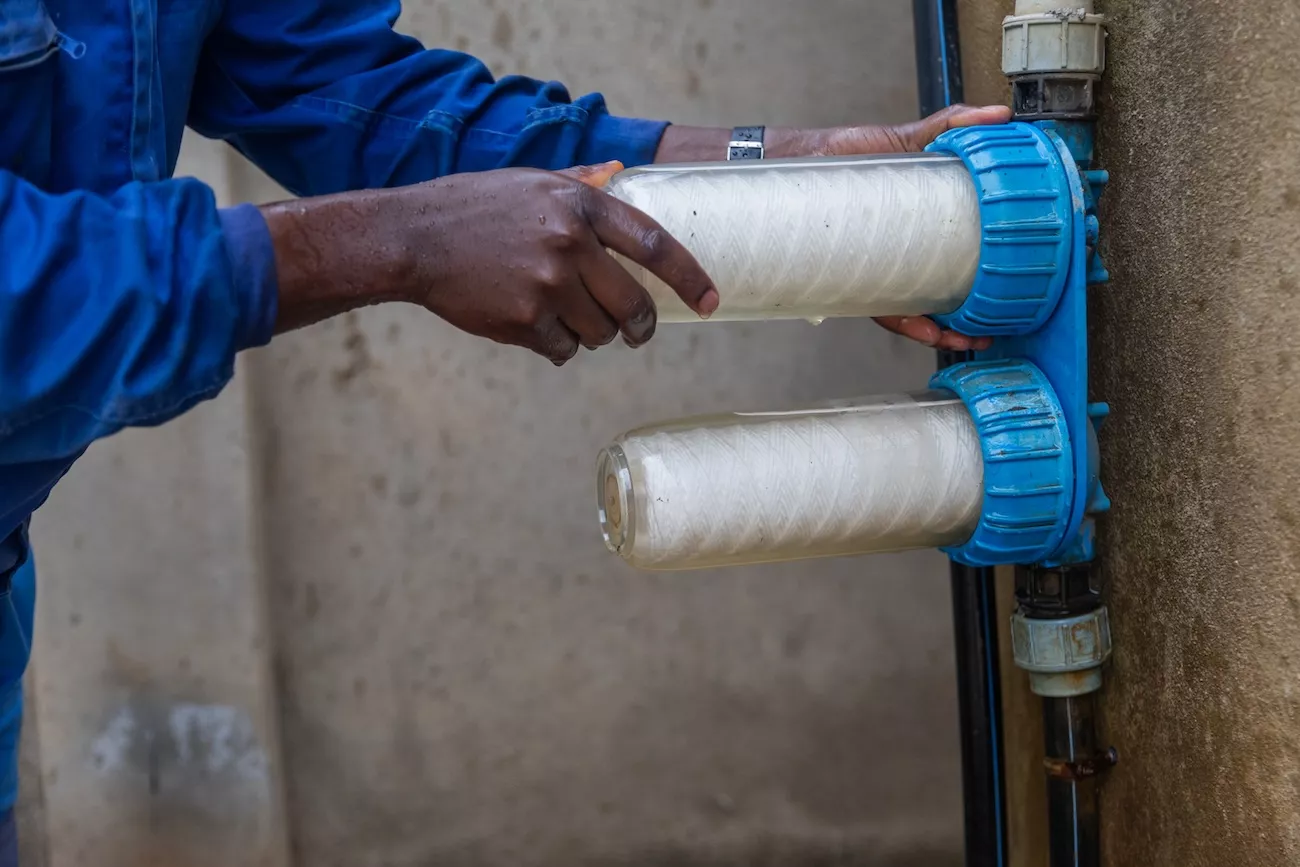
Water hygiene services, like regular water monitoring, legionella testing, and implementing proper maintenance routines, are crucial in ensuring that your water systems stay in top shape. A professional water hygiene engineer can help manage and maintain these systems, keeping your business safe from waterborne pathogens and legal troubles.
Risks of Poor Water Hygiene Management
Health Risks
Perhaps the most pressing risk is the potential for a waterborne illness outbreak. Legionella bacteria, for instance, thrive in poorly maintained water systems and can cause serious diseases such as Legionnaires’ Disease. The bacteria spread when water vapour is inhaled, and exposure can lead to pneumonia, which can be fatal if untreated.
As an employer, it is your responsibility to protect your staff and visitors from these health risks. A Legionella outbreak could not only harm people but also severely damage your business’s reputation, leading to costly health and safety violations.
Compliance Risks
In the UK, businesses are legally required to comply with the Health and Safety Executive’s (HSE) regulations surrounding water hygiene. This includes taking steps to prevent Legionella outbreaks through regular inspections and water testing. Failure to comply with these regulations can result in heavy fines, penalties, or even the closure of your business.
Ensuring that your water hygiene management practices are up to code can save you from serious legal consequences and protect your business in the long run.
The Financial Impact of Poor Water Hygiene
Increased Operational Costs
Ignoring water hygiene management can lead to more than just health and safety concerns. Poorly maintained water systems can cause operational inefficiencies, such as increased repair and maintenance costs. If your water systems are contaminated or malfunctioning, you may face expensive repairs and disruptions to your business operations.
Loss of Revenue
Contaminated water systems can harm customer trust, leading to a loss of business. Customers expect clean, safe environments, and an outbreak of illness or even the perception of poor water quality can drive customers away. In extreme cases, poor water hygiene could even force you to shut down your operations temporarily, costing you revenue and potentially causing irreparable harm to your brand’s reputation.
Water Hygiene Monitoring & Testing: A Proactive Approach to Prevent Issues
One of the most effective ways to mitigate the risks of poor water hygiene is by implementing regular water hygiene monitoring and testing.
Legionella Testing: Regular legionella testing is essential in detecting potential hazards before they become a problem. By working with a professional water hygiene engineer, you can ensure your water systems are regularly monitored for harmful bacteria, reducing the risk of outbreaks.
Water Hygiene Engineer’s Role: A qualified water hygiene engineer can conduct routine inspections, risk assessments, and maintenance checks, ensuring your systems comply with legal regulations and are safe for use. Their expertise will help you stay ahead of potential issues, preventing costly repairs and outbreaks.
How to Implement Proper Water Hygiene Management
Routine Inspections and Risk Assessments
To ensure your water systems are safe and compliant, it’s essential to perform regular inspections and risk assessments. These checks identify any potential risks and allow you to take corrective actions before issues arise.
Work with a Professional Water Hygiene Service
Hiring a professional water hygiene service ensures that your water systems are well-maintained and compliant with the latest health and safety regulations. These experts can provide legionella risk assessments, offer advice on best practices, and carry out any necessary repairs or upgrades.
Employee Training
It’s not just about professional services; employee training is crucial too. Educating your staff on proper water hygiene practices, how to recognise signs of contamination, and how to maintain water systems can help reduce the risk of an outbreak or contamination.
Get a Legionella Risk Assessment Today
Poor water hygiene management is a risk that no business can afford to ignore. Whether it’s the potential for a deadly disease like Legionnaires’ Disease, costly legal penalties, or damage to your brand’s reputation, the consequences of poor water hygiene are far-reaching.
By taking proactive steps to monitor and manage your water systems, working with a qualified water hygiene engineer, and ensuring that your staff is well-trained, you can safeguard your business against these risks.
Don’t wait until it’s too late to assess the health and safety of your water systems. A Legionella risk assessment can help identify potential hazards and provide you with a clear action plan to prevent issues from arising.
Contact L8 Protection today to schedule your risk assessment and ensure your water systems are safe, compliant, and working efficiently. We’re here to help you protect your business, employees, and customers from waterborne risks. Reach out now to take the first step towards better water hygiene management!
.webp)
Get in touch.