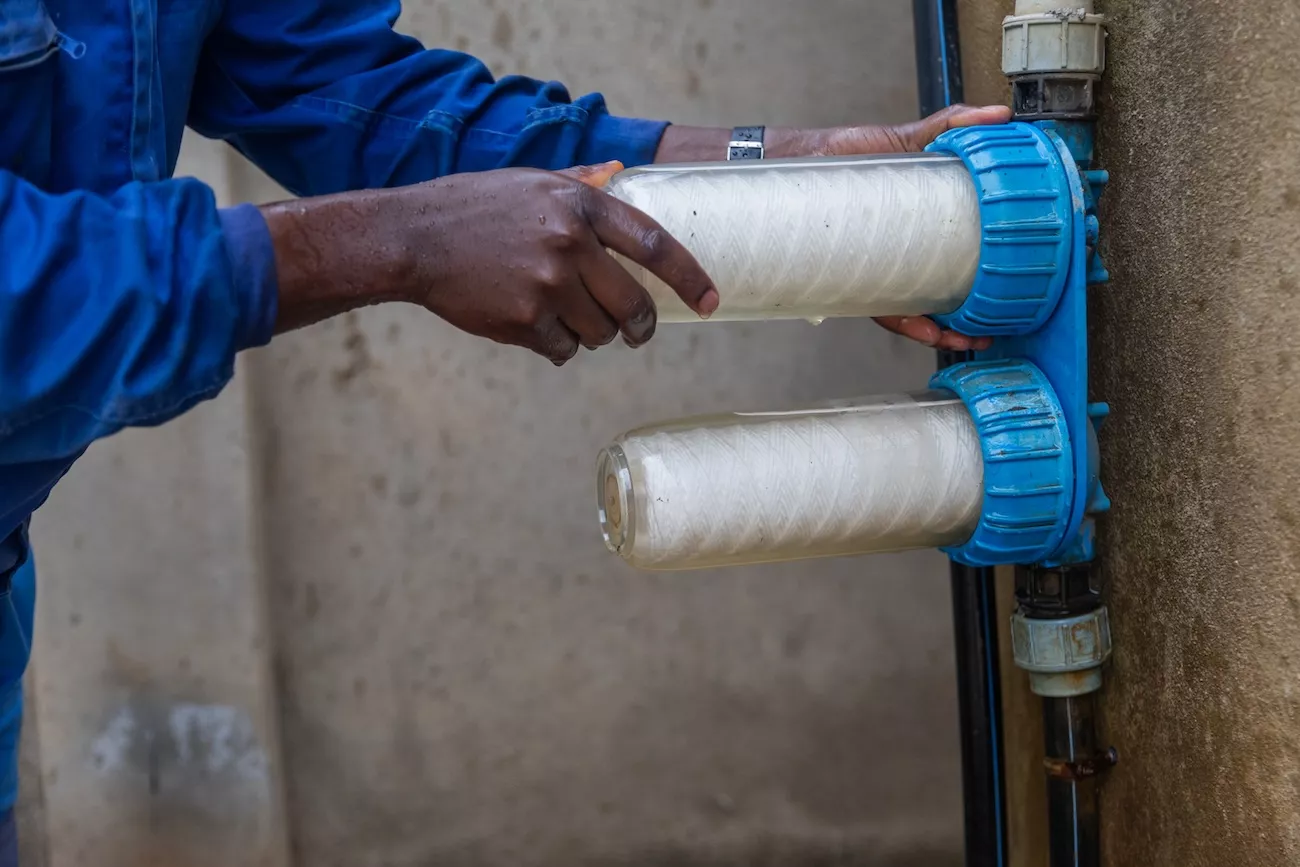
Why Every Business Needs a Legionella Risk Assessment for Safety
When it comes to ensuring the safety of your water systems, Legionella control is an essential consideration for every business. If you’ve never heard of a Legionella risk assessment before, you’re not alone. But the truth is, a Legionella risk assessment is a vital service that every property owner or business manager should consider. We’ll explain what Legionella risk assessments are, why they’re so important, and how they can protect your property, employees, and customers from a potentially life-threatening disease.
Understanding Legionella and Its Risks
What Is Legionella Bacteria?
Legionella bacteria are microscopic organisms that are commonly found in natural water sources, such as rivers, lakes, and ponds. However, they can also thrive in man-made water systems, especially if the water temperature and flow conditions are favourable. Legionella can cause Legionnaires’ disease, a severe form of pneumonia, when individuals inhale water droplets or aerosols contaminated with the bacteria. It is most commonly contracted in places like hospitals, hotels, office buildings, and other properties with large water systems.
How Legionella Affects Health
Legionnaires' disease is a serious and potentially fatal illness. Symptoms are similar to pneumonia, including fever, cough, chest pains, and difficulty breathing. It’s particularly dangerous for the elderly, smokers, and those with weakened immune systems. That’s why it’s so important to keep Legionella bacteria in check through proactive risk management strategies like Legionella testing and water hygiene risk assessments.
What Is a Legionella Risk Assessment?
A Legionella risk assessment is a thorough inspection of your water systems to identify any conditions that could encourage the growth and spread of Legionella bacteria. It involves evaluating the risk of exposure and outlining the necessary steps to manage or control those risks. In simple terms, it's about making sure that your water systems are safe and comply with legal regulations.
The Purpose of a Legionella Risk Assessment
The primary goal of a Legionella risk assessment is to identify potential risks that could lead to Legionella contamination. It helps ensure that all the water systems, such as cooling towers, water tanks, showers, and air conditioning units, are in safe working condition and do not provide a breeding ground for Legionella bacteria. By conducting a Legionella risk assessment, you can prevent outbreaks, protect your property, and remain compliant with health and safety regulations.
Key Areas Assessed in a Legionella Risk Assessment
During a Legionella bacteria risk assessment, several aspects of your water system will be examined. These include:
- Water temperature: Legionella thrives in temperatures between 20°C and 45°C. Ensuring your water system maintains the right temperature is key to preventing bacterial growth.
- Water flow and stagnation: Stagnant water provides an ideal environment for Legionella to flourish. The risk assessment will evaluate areas of your water system where water could stagnate.
- Water system maintenance: The assessment will also check the maintenance of your pipes, tanks, and water treatment systems to ensure they’re free of biofilm, dirt, or contamination that can support bacterial growth.
- Water hygiene: Regular water hygiene checks ensure that your water system remains safe, including ensuring effective filtration and treatment procedures are in place.
Why Your Business Needs a Legionella Risk Assessment
Protecting Employee and Customer Health
The safety of your employees, customers, and visitors is paramount. By carrying out a water risk assessment and Legionella testing, you can identify and manage risks before they become a health issue. Legionnaires' disease can lead to serious illness or even death, making it essential to prevent any exposure to Legionella bacteria.
Avoiding Legal and Financial Consequences
Did you know that under UK health and safety law, you are legally required to manage the risk of Legionella in your water systems? Failure to do so can lead to severe financial penalties, lawsuits, or even a business shutdown if an outbreak occurs. Legionella risk assessments help you comply with regulations such as the Health and Safety Executive (HSE) guidelines, avoiding potential legal and financial consequences.
Improving Long-Term Operational Efficiency
Regular Legionella risk assessments help maintain the efficiency of your water systems. By proactively managing Legionella risks, you’re not only ensuring compliance but also improving the overall performance of your water systems. This leads to fewer maintenance issues, reduced downtime, and cost savings over time.
What to Expect During a Legionella Risk Assessment
When you book a Legionella risk assessment with one of the leading Legionella risk assessment companies, you can expect a thorough process that includes the following steps:
1. Initial Consultation and Site Survey
The process typically begins with a consultation where a qualified engineer will visit your premises to carry out a site survey. During this visit, they’ll examine your water systems, identify any potential risks, and discuss the specifics of your water usage and infrastructure.
2. Legionella Testing and Inspection
Next, Legionella water testing is performed, where water samples are taken from various points in the system to check for Legionella bacteria. The testing may also include checks for water temperature, stagnation points, and any other factors that could lead to contamination.
3. Risk Assessment Report
After the assessment, the team will provide a detailed report outlining any potential risks and recommendations for addressing them. This will include advice on improving water system maintenance, installing water treatment solutions, and scheduling further tests.
4. Ongoing Monitoring and Support
A good Legionella risk assessment company will not only carry out an initial assessment but will also provide ongoing support. This might include periodic water testing, maintenance checks, and any other necessary interventions to keep your water systems safe.
How Often Should You Conduct a Legionella Risk Assessment?
The frequency of your Legionella risk assessments depends on the nature of your water systems and the regulations applicable to your business. For many businesses, a risk assessment should be carried out at least once a year. However, certain events such as system upgrades, construction work, or changes in water usage may require more frequent assessments.
How L8 Protection Can Help with Your Legionella Risk Assessment
At L8 Protection, we specialise in providing comprehensive Legionella risk assessments, water hygiene management, and water treatment solutions. Our expert team will ensure that your water systems are fully compliant, safe, and free from Legionella bacteria.
- Legionella Testing and Analysis: We offer comprehensive Legionella water testing services to detect bacteria in your water systems.
- Water Hygiene Services: From routine inspections to full system disinfection, we help businesses stay on top of water safety.
- Tailored Solutions: We provide customised solutions based on your specific water system needs to ensure ongoing protection from Legionella.
Contact L8 Protection for Your Legionella Risk Assessment Today
If you’re looking for a reliable Legionella risk assessment company in the UK, L8 Protection is your trusted water assessment service provider. Contact us today to book your Legionella risk assessment and ensure the safety and compliance of your water systems. Let us help you take the first step towards better Legionella control and water hygiene.
A Legionella risk assessment is a critical tool in safeguarding your property, employees, and customers from Legionnaires' disease. By taking the right steps today, you can prevent future health risks, ensure compliance with regulations, and protect the long-term efficiency of your water systems. Don’t wait, contact L8 Protection now to get started.
.webp)
Get in touch.